


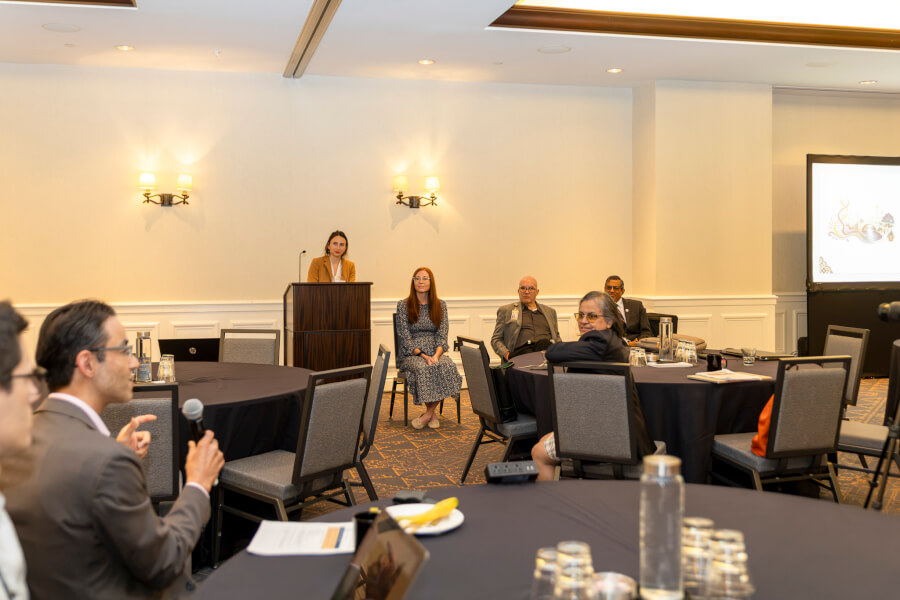
Researchers from around the world gathered in downtown San Antonio Oct. 5-10 for two international brain health conferences hosted by The University of Texas at San Antonio (UT San Antonio). The conferences focused on the biological processes underlying Alzheimer’s disease and related dementias and stroke and strengthened collaborations that could help translate scientific discoveries into better diagnosis, treatment and prevention.
The meetings included nearly 100 speakers, featuring nearly 30 researchers from UT San Antonio, showing the university’s globally recognized role in advancing research into brain aging and neurological disease.
The Neurepiomics Conference and the International Stroke Genetics Consortium (ISGC) annual meeting brought together researchers in genetics, epidemiology, brain imaging, computational biology, clinical medicine and public health. The conferences highlight the growing importance of global collaboration in addressing complex brain health challenges.
Understanding dementia across the lifespan
The Neurepiomics Conference approached brain health through an interdisciplinary lens combining genetics, neuroimaging, epidemiology and other biological measurements to investigate brain aging and dementia.
“Dementia is not a single disease with a single cause. By bringing together many forms of data collection, we can begin to understand how these factors interact over a lifetime and find opportunities to intervene earlier,” said Sudha Seshadri, MD, DM, neurology professor and founding director of the Glenn Biggs Institute for Alzheimer’s and Neurodegenerative Diseases.
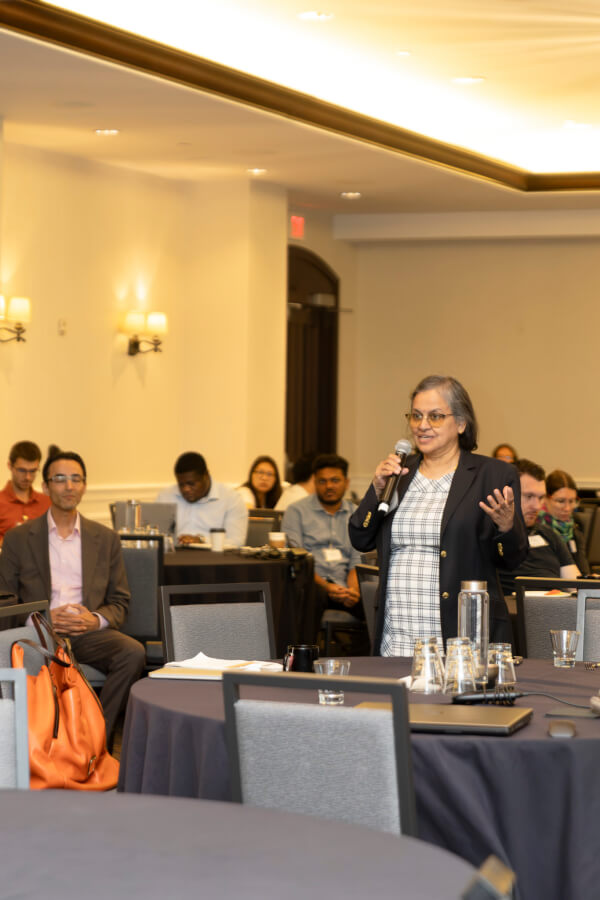
The conference grew out of a training program launched in 2015 to help researchers develop expertise in methods used to study brain diseases. The program has been held in several countries over the years, and new National Institutes of Health funding, secured by Seshadri, is expected to support it for the next five years.
Scientific presentations throughout the week explored how researchers can better understand dementia risk, account for differences among patients and identify the biological pathways that may eventually support earlier diagnosis and more personalized approaches to treatment.
Connecting genetics, biology and brain health
The ISGC meeting focused on genetic and biological mechanisms underlying stroke, cerebral small vessel disease and dementia.
Founded in 2007, the consortium has grown into an international research network spanning all populated continents. Its annual meeting provides an opportunity for investigators to share findings, develop collaborative projects and identify priorities for future research.
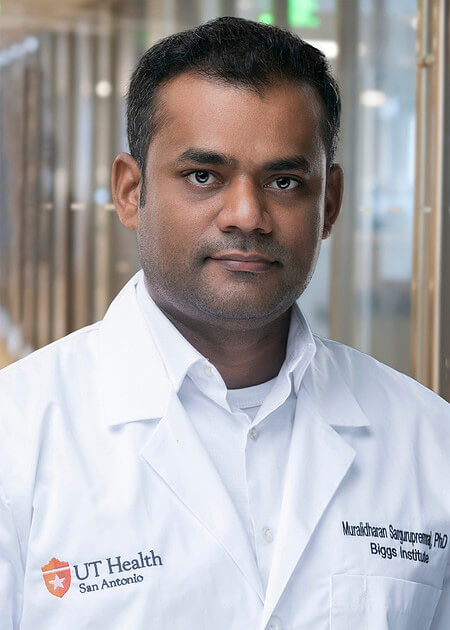
“Understanding how different molecular profiles of fundamental genetic units relate to cerebral small vessel disease is essential to developing targeted and tractable prevention strategies for stroke risk. Triangulating evidence across these layers, and bringing together clinicians, computational biologists and statisticians across disciplines and countries, helps accelerate that work and move discoveries closer to benefiting patients and their families,” said co-host of the ISGC Muralidharan Sargurupremraj, PhD, a computational genomicist and assistant professor with the Biggs Institute at UT San Antonio.
A major topic was cerebral small vessel disease, a condition affecting the brain’s small blood vessels, which is connected to stroke, vascular cognitive impairment and dementia. Although controlling blood pressure can slow disease progression, treatment options that directly target the disease remain limited.
One presentation described the development of an international consensus statement outlining strategies to accelerate the development of biomarkers and treatments for small vessel disease. The recommendations emphasized identifying genes that contribute to disease, determining how genetic risk affects different brain cells, improving experimental models and using molecular data to identify therapeutic targets.
Collaboration for translating discovery into better care
The two conferences showcase the opportunities and challenges facing brain health research. Advances in genetics, artificial intelligence, imaging and blood-based biomarkers are allowing scientists to examine neurological disease in more precise ways. But turning those findings into better patient care requires continued research efforts.
For Alzheimer’s disease and related dementias, this means understanding how genetics, vascular health, aging and environmental factors interact over time. For stroke and small vessel disease, the goal is identifying mechanisms that lead to treatments beyond risk management.
By hosting both meetings, UT San Antonio provided a stage for researchers to exchange ideas, develop collaborations and examine challenges from different perspectives.
As the institution continues to advance its research in brain health, these collaborations can help connect discoveries about neurological disease with the goal of improving diagnosis, treatment and prevention for everyone.
Read more:
UT San Antonio researchers discuss AI’s promise, challenges at brain health conferences